Septic Tank Pumping for St. Jacob Homeowners
Request an estimate today
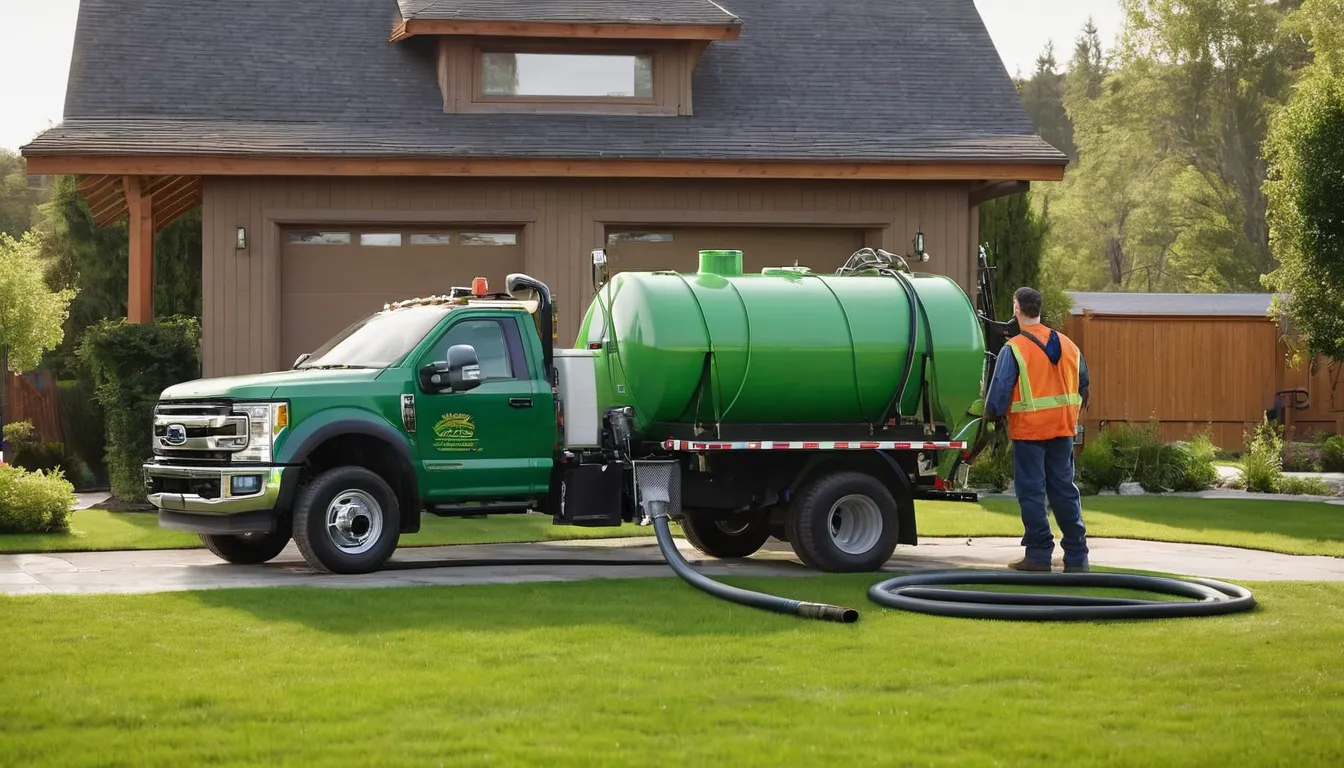
Your septic tank holds the waste from every drain in your house. Solid waste settles to the bottom. Over time, that layer gets thick. If nobody pumps it out, it can flow into the drainfield, the soil area that cleans the water. That can ruin the drainfield.
Dfwnbc Septic is a referral service. We connect homeowners in the St. Jacob area with independent local providers who pump septic tanks. The provider does the work and sets the price. You get a written quote first. This page shows the early signs to watch for, what a visit looks like, and what to ask before you hire.
Is Your Tank Full? Start Here
Some signs mean the tank needs pumping soon. Watch for these:
- Drains that run slow, in more than one room
- Gurgling sounds from pipes
- A sewage smell in the house or yard
- Wet, soggy ground over the tank or drainfield
- Grass that is greener than the rest of the lawn
Small sign, small fix. If you see one of these, request an estimate now. Waiting can turn a simple pump-out into a costly repair.
Sewage Coming Up in the House
If sewage backs up into a tub, shower or floor drain, act fast. Stop using water. Do not run the washer or flush. Keep kids and pets away from the spill.
Request a callback to check provider availability for emergency septic cleaning. Many providers can respond quickly to a backup. Ask if they also check for the cause.
Why Pumping Matters
The tank has three layers. Heavy solids sink. Grease and light bits float. Water in the middle flows out to the drainfield. Pumping clears the solids and grease so they cannot escape.
That protects the drainfield. A failed drainfield can cost far more than many years of pump-outs. Catch it early.
How Often Should You Pump?
Many homes need pumping every three to five years. Yours may differ. Three things change the answer:
- Tank size: a small tank fills faster
- People in the house: more people means more waste
- Water use: lots of laundry and long showers add up
A garbage disposal adds solids too. Homes with one often need pumping sooner. Ask a provider to measure the sludge (the solid layer) and suggest a schedule.
Weather and Your Tank
Cold winters with deep frost can make tanks hard to reach. Lids can freeze shut. Many people book pumping in the fall to avoid this.
Spring flooding and heavy storms bring another risk. Soaked soil cannot take more water. A tank that is nearly full may back up fast. If your home has a sump pump, keep its discharge away from the drainfield.
What Happens During a Pumping Visit
A visit is simple. The provider finds the tank and opens the lids. A truck with a large hose pulls out the waste. The provider then looks at the tank's condition.
Good providers check the baffles. These are parts that guide water in and out. They also look for cracks and signs of leaks. You should get a short report.
Pumping and Inspections
Pumping and an inspection often go together. With the tank empty, a provider can see the walls and pipes clearly. Ask for notes on what they found.
If the drainfield looks stressed, ask about drainfield repair. A report now can save a bigger bill later.
Buying or Selling a Home
Buyers of homes with septic often ask for a pump-out and inspection. Sellers can pump before listing to show the system is cared for. Keep the paperwork.
If your property also has a private well, ask about water well service. Septic and well testing are often done together.
Caring for Your System Between Pumpings
A few habits help a lot:
- Spread laundry across the week
- Fix leaky toilets and faucets
- Flush only toilet paper and human waste
- Keep grease, wipes and chemicals out of drains
- Keep cars and heavy gear off the drainfield
- Plant only grass over the area
Keep a record of every pump-out. Write down the date and tank size.
Ask Before Hiring
A few questions make the choice easier. Here is what a good answer sounds like.
- Are you licensed where I live? A clear yes, with details you can check.
- How big is my tank? They should know or say how they will find out.
- What does the price include? Look for the full tank, disposal and a basic check.
- Will you give me a written quote? The answer should be yes, before work starts.
Red Flags
Be careful if a provider pushes you to skip the quote. Be careful of a price that sounds too low, or of extra work added on site with no clear reason. A good provider explains every step in plain words.
Get Matched With a Local Provider
Ready to move? Request an estimate. Dfwnbc Septic will connect you with an independent provider in your area. You can compare answers and decide. There is no obligation.
What's Included
Tank Pumping
A provider removes solids, grease and wastewater from your tank so it can work as it should.
Basic Tank Check
Many providers look over lids, baffles and pipes while the tank is empty.
Emergency Septic Cleaning
If sewage is backing up, ask providers in our network about urgent pumping options.
Written Notes
Ask for a short report on tank condition, pumping date and when to schedule your next visit.
What Pumping Typically Costs
Prices vary by tank size, how easy the lid is to reach, and where you live. These are typical U.S. ranges only. Always ask the provider for a written quote first.
| Item | Typical range | Notes |
|---|---|---|
| Standard pump-out (1,000 gal) | $250 – $500 | Most common job for a smaller home |
| Larger tank (1,500+ gal) | $350 – $700 | More waste means more time and cost |
| Digging to find the lid | $75 – $250 | Needed when lids are buried |
| Riser and lid install | $300 – $800 | Makes future pumping easier |
| Tank inspection | $100 – $400 | Often done when the tank is empty |
| Urgent or after-hours visit | $400 – $900 | Availability and rates vary by provider |
How It Works
Spot the Signs
Notice slow drains, smells or soggy ground. Check your records to see when the tank was last pumped.
Request an Estimate
Send the short form and tell us about your home and tank.
Talk With a Provider
A local provider reaches out, asks about your system and explains the price in writing.
Get the Tank Pumped
The provider empties the tank, checks its condition and shares notes on when to schedule the next visit.
Why Call Dfwnbc Septic
Plain Answers
Ask a question and get a simple answer. We explain the signs, the steps and the costs without jargon.
Local Providers
You are matched with independent providers who serve homes in your area and know local conditions.
Clear Questions
We share what to ask before hiring, so you know what a good answer sounds like.
No Obligation
Request an estimate and compare. You decide whether to hire the provider that contacts you.
Other Services
Need septic tank pumping services in St. Jacob?
Send a quick request for an estimate, or ask a question. Dfwnbc Septic passes it to an independent provider in our network who serves your area.
No obligationSeptic Tank Pumping Services FAQ
- How do I know if my septic tank is full?
- Slow drains, gurgling pipes, bad smells and soggy ground near the tank are common signs. A provider can check the sludge level and tell you for sure. Catch it early.
- How often should a septic tank be pumped?
- Many homes need it every three to five years. Tank size, number of people and water use change that. A provider can measure your tank and suggest a schedule that fits.
- Can I pump my septic tank in winter?
- Often yes, but frost and snow can make lids hard to reach. Mark your lids in fall, and ask a provider about winter access.
Tell us what happened
Send a quick request for an estimate, or ask a question. Dfwnbc Septic passes it to an independent provider in our network who serves your area.
No obligation